A little preparation today can help prevent frozen pipes, unexpected leaks, and costly repairs later in the season. Fortunately, most of these checks only take a few minutes and can provide valuable peace of mind before winter arrives.
Disconnect Garden Hoses
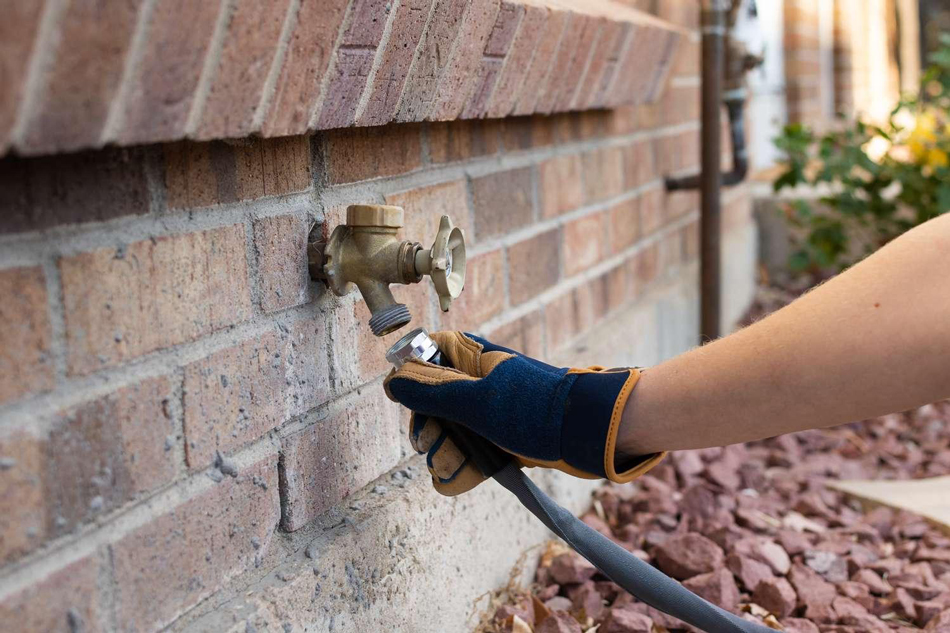
One of the simplest ways to protect your plumbing is by disconnecting all garden hoses from outdoor faucets.
Leaving a hose attached can trap water inside the faucet. If temperatures fall below freezing, that trapped water can expand and damage the hose bib or even the plumbing inside your home’s walls.
Once the hose has been removed, inspect the outdoor faucet for any signs of leaks or damage before winter.
Check Outdoor Faucets and Hose Bibs
Before freezing temperatures arrive, inspect each outdoor faucet.
Look for:
- Dripping after the faucet is turned off
- Cracks or visible damage
- Leaks around the handle
- Loose hose connections
Addressing these small problems now can help prevent larger repairs during the winter months.
Test Your Boiler Before You Need It
If your home is heated by a boiler system, now is the time to make sure everything is working properly.
Turn the system on and verify:
- Heat reaches every area of the home
- The pressure gauge appears normal
- There are no visible water leaks
- The system operates quietly without unusual noises
Finding an issue now gives you time to schedule repairs before colder weather increases demand.
Perform a Water Heater Inspection
Your water heater will begin working harder as temperatures cool.
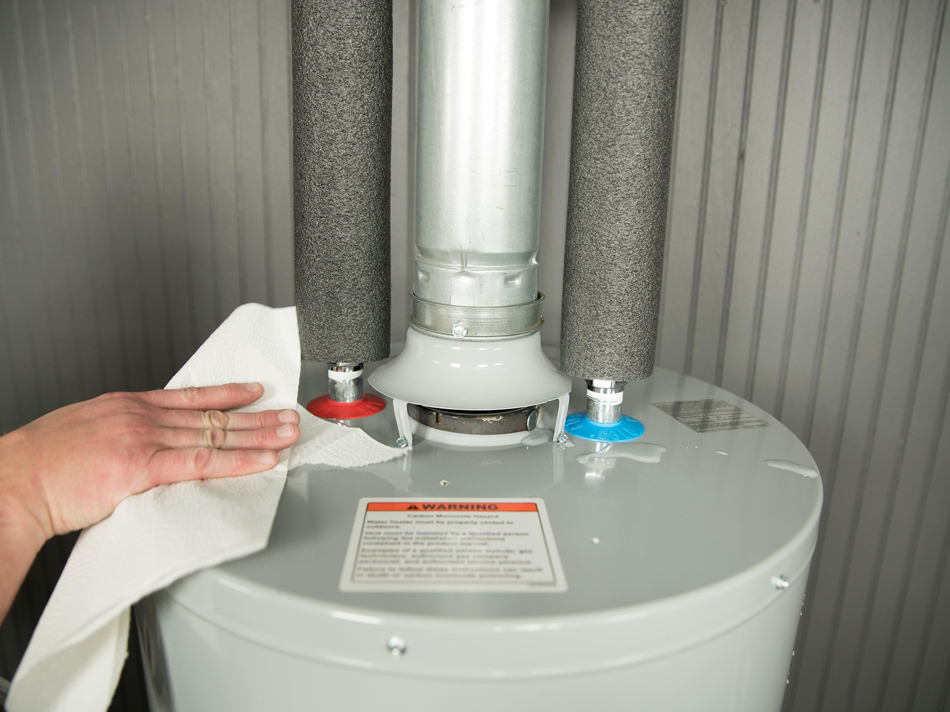
Take a few minutes to visually inspect it.
Check for:
- Moisture around the base
- Corrosion on fittings
- Leaks near valves or connections
- Proper clearance around the unit
If you have a gas water heater, make sure carbon monoxide detectors throughout your home are working properly.
Locate Your Main Water Shut Off Valve
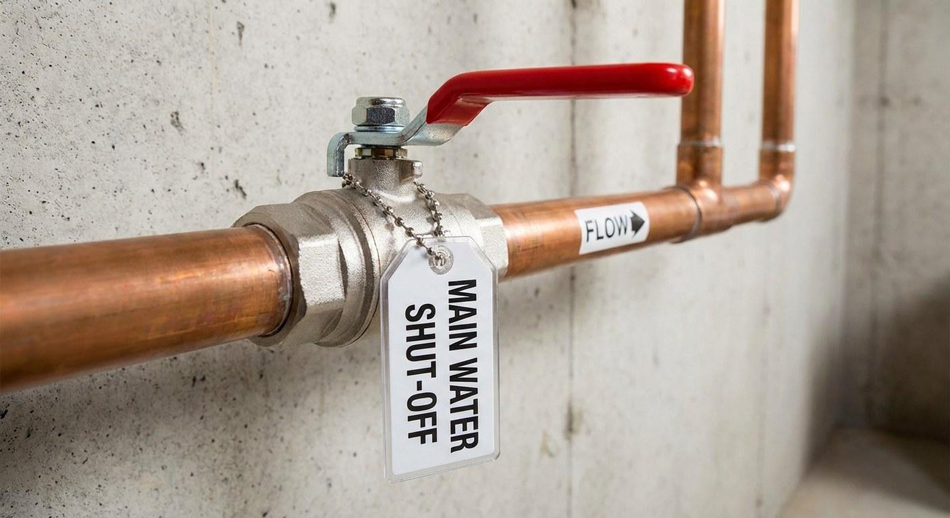
Every homeowner should know where the main water shut off valve is located.
If a plumbing emergency occurs this winter, shutting the water off quickly can significantly reduce damage to your home.
If you have never located it before, now is an excellent time.
Check for Small Plumbing Leaks
Small leaks often become larger problems during the winter.
Walk through your home and inspect:
- Under sinks
- Around toilets
- Water heater connections
- Exposed plumbing in basements, crawl spaces, or utility rooms
Even a slow drip should not be ignored.
Replace Worn Weather Seals Around Pipes
Inspect areas where plumbing enters your home, including crawl spaces, utility rooms, and foundation walls.
Damaged seals or gaps can allow cold air to reach plumbing and increase the risk of frozen pipes once winter arrives.
Why Fall Is the Best Time to Prepare
Waiting until freezing temperatures arrive often means you’re reacting to a problem instead of preventing one.
Taking a little time each fall to inspect your plumbing system can help:
- Reduce the risk of frozen pipes
- Prevent unexpected plumbing emergencies
- Protect your water heater and boiler system
- Catch small leaks before they become expensive repairs
- Give you peace of mind heading into winter
Protect Your Home Before Winter Arrives
Preparing your plumbing system for fall doesn’t have to be complicated. A few simple inspections today can help protect your home and avoid unnecessary repairs later in the year.
At B&G Plumbing, we’ve been helping homeowners prepare their plumbing systems for changing seasons for decades. Whether you have questions about your boiler, water heater, outdoor plumbing, or simply want peace of mind before winter, our experienced team is here to help.
Have Questions About Your Plumbing?
If something doesn’t look right or you’d like a professional opinion before colder weather arrives, contact B&G Plumbing and Heating. Our team is always happy to answer your questions, provide honest recommendations, and help keep your plumbing system operating safely all year long.
 Skip to content