While it may not get much attention, your PRV plays a critical role in regulating water pressure throughout your home and helping protect your plumbing system from unnecessary wear and tear.
What Is a Pressure Reducing Valve?
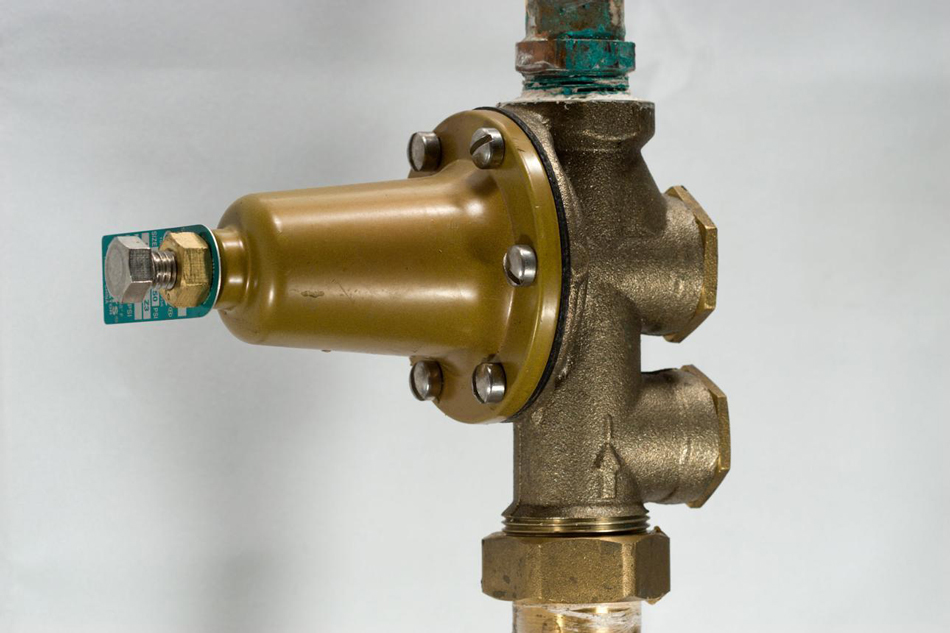
A Pressure Reducing Valve, or PRV, is a device installed on the main water line entering your home. Its job is simple: regulate incoming water pressure and keep it at a safe, consistent level for your plumbing system.
Municipal water pressure can fluctuate throughout the day and may sometimes be higher than what your home’s plumbing system was designed to handle. The PRV helps reduce and stabilize that pressure before it reaches your pipes, fixtures, appliances, and water heater.
Most PRVs are located near your home’s main water shut off valve and are often recognizable by their bell shaped appearance.
Knowing where your PRV is located can be valuable information during plumbing inspections and future repairs.
Why Is Water Pressure Important?
Many homeowners assume that higher water pressure is always better. While strong water pressure can feel great in the shower, excessive pressure can create problems throughout the home.
High water pressure can contribute to:
- Dripping faucets
- Running toilets
- Premature water heater wear
- Leaking pipe joints
- Appliance damage
- Increased stress on plumbing fixtures
- Higher water consumption
Maintaining proper water pressure helps protect your plumbing system and can extend the lifespan of many plumbing components.
Your Plumbing System Works Together
A home’s plumbing system contains multiple components designed to manage pressure safely.
Pressure Reducing Valve (PRV)
The PRV regulates the water pressure entering your home from the municipal water supply.
Expansion Tank
Located above the water heater in many homes, the expansion tank helps absorb pressure created as water heats and expands. Without an expansion tank, pressure can build inside the plumbing system every time the water heater runs.
Temperature and Pressure Relief Valve (T&P Valve)
Located on the side of the water heater, the T&P valve serves as a safety backup. If excessive temperature or pressure develops inside the water heater, the valve opens to safely relieve that pressure.
Together, these components work as a team to help protect your plumbing system and water heater from dangerous pressure buildup.
Signs Your PRV May Need Attention
Like any plumbing component, a pressure reducing valve can wear out over time.
Some common signs include:
- Water pressure that suddenly feels too high
- Fluctuating water pressure throughout the home
- Banging or hammering noises in pipes
- Frequent plumbing fixture leaks
- Dripping faucets throughout the house
- Increased wear on appliances connected to the plumbing system
If you notice any of these symptoms, it may be worth having your plumbing system evaluated.
Why Homeowners Should Know Where Their PRV Is Located
One of the simplest things homeowners can do is become familiar with the major components of their plumbing system.
Knowing the location of your:
- Main water shut off valve
- Pressure Reducing Valve
- Water heater
- Expansion tank
- Temperature and Pressure Relief Valve
can save valuable time during an emergency and help you better understand how your plumbing system functions.
Protecting Your Home From Pressure Related Problems
Water pressure is something most homeowners never think about until a problem develops. However, maintaining proper pressure is one of the best ways to protect your pipes, fixtures, water heater, and appliances.
The Pressure Reducing Valve, expansion tank, and T&P valve all play important roles in keeping your plumbing system operating safely and efficiently.
At B&G Plumbing, we believe informed homeowners make better decisions about their plumbing systems. Understanding how these components work together can help prevent costly repairs and keep your home running smoothly.
Have Questions About Your Water Pressure?
If you have concerns about high water pressure, plumbing leaks, your water heater, or other plumbing issues, B&G Plumbing and Heating is here to help.
Our experienced team can inspect your plumbing system, answer your questions, and help ensure everything is operating safely and efficiently.
 Skip to content