Cold weather is coming, and October is the time to make sure your home’s plumbing is ready for it.
Once temperatures drop below freezing, water left inside exposed plumbing can freeze, expand, and potentially damage pipes, outdoor faucets, sprinkler systems, and other plumbing components. A little preparation now can help prevent an inconvenient and potentially expensive plumbing emergency later.
The good news is that many of the most important winter plumbing preparations are simple. Here is where we recommend homeowners start.
1. Disconnect Hoses From Outdoor Faucets
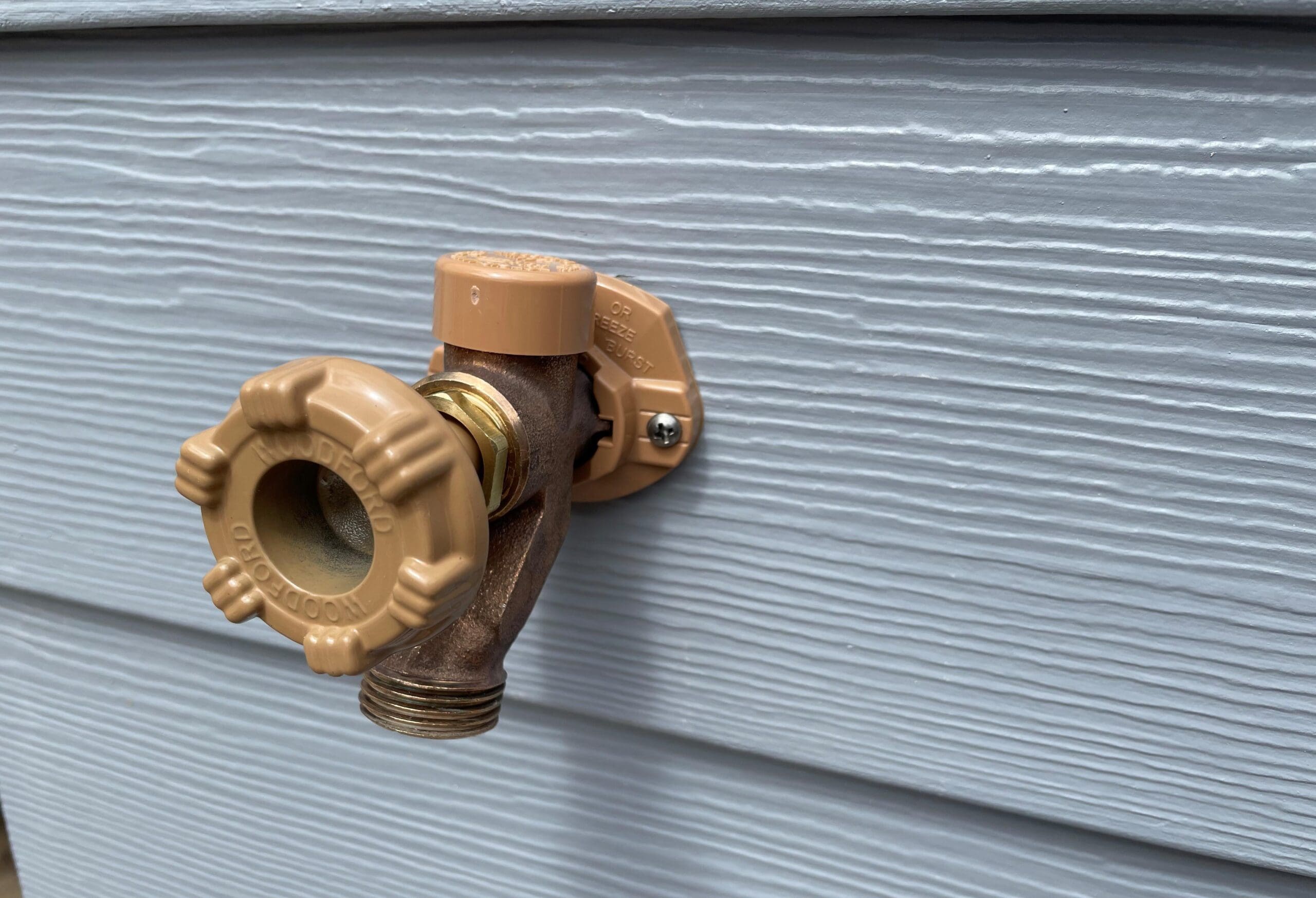
When you are finished watering for the season, disconnect garden hoses from your outdoor faucets.
Leaving a hose attached can trap water inside the hose bib and plumbing. When that water freezes, it expands and can damage the faucet or piping inside the wall.
After disconnecting the hose:
- Drain any remaining water from the hose
- Roll it up and store it somewhere protected
- Check the faucet for leaks or damage
- Make sure the faucet shuts off completely
This is one of the simplest things you can do to help protect your plumbing before winter.
2. Prepare Your Outdoor Faucets
Once hoses are disconnected, take a closer look at each outdoor faucet or hose bib.
Check for:
- Dripping water
- Leaks around the handle
- Cracks or visible damage
- Loose connections
Depending on the type of outdoor faucet and plumbing system you have, additional winterization or insulation may be recommended.
If you are unsure whether your outdoor faucets are properly protected from freezing temperatures, B&G Plumbing and Heating can help you determine what your home needs.
3. Have Your Sprinkler System Blown Out
Underground sprinkler systems can still contain water after you stop using them for the season.
If that water freezes, it can damage sprinkler lines, valves, fittings, and other components.
Having your sprinkler system properly blown out helps remove remaining water before freezing temperatures arrive.
Do not wait until the ground is already freezing to start thinking about it. October is a great time to get it taken care of.
4. Look for Plumbing That May Be Exposed to Cold Air
Not every pipe in your home is located in a warm living space.
Take a look at plumbing located in areas such as:
- Crawl spaces
- Garages
- Exterior walls
- Utility areas
- Other unheated spaces
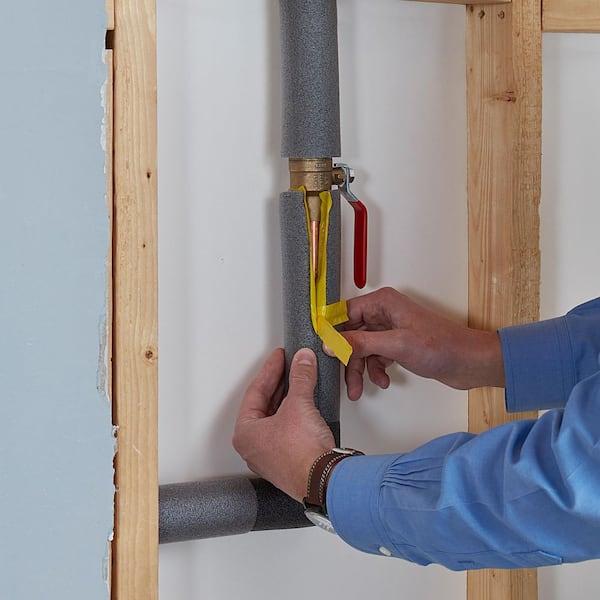
If you can see exposed water lines, check whether they are properly insulated.
Insulation that has fallen off, deteriorated, or become damaged may no longer provide adequate protection when temperatures drop.
5. Check Existing Heat Tape
Some homes use heat tape or heat cable to protect plumbing in areas that are especially vulnerable to freezing.
If your home already has heat tape installed, visually inspect it before winter.
Look for damaged insulation, loose sections, or anything that appears worn or disconnected. Heat tape does not last forever, and simply having it wrapped around a pipe does not necessarily mean it is still providing proper protection.
If you have questions about the condition of your heat tape or whether a particular water line needs additional protection, have it evaluated before freezing weather arrives.
6. Know Where Your Main Water Shut Off Is
This is important throughout the entire year, but it becomes especially valuable during winter.
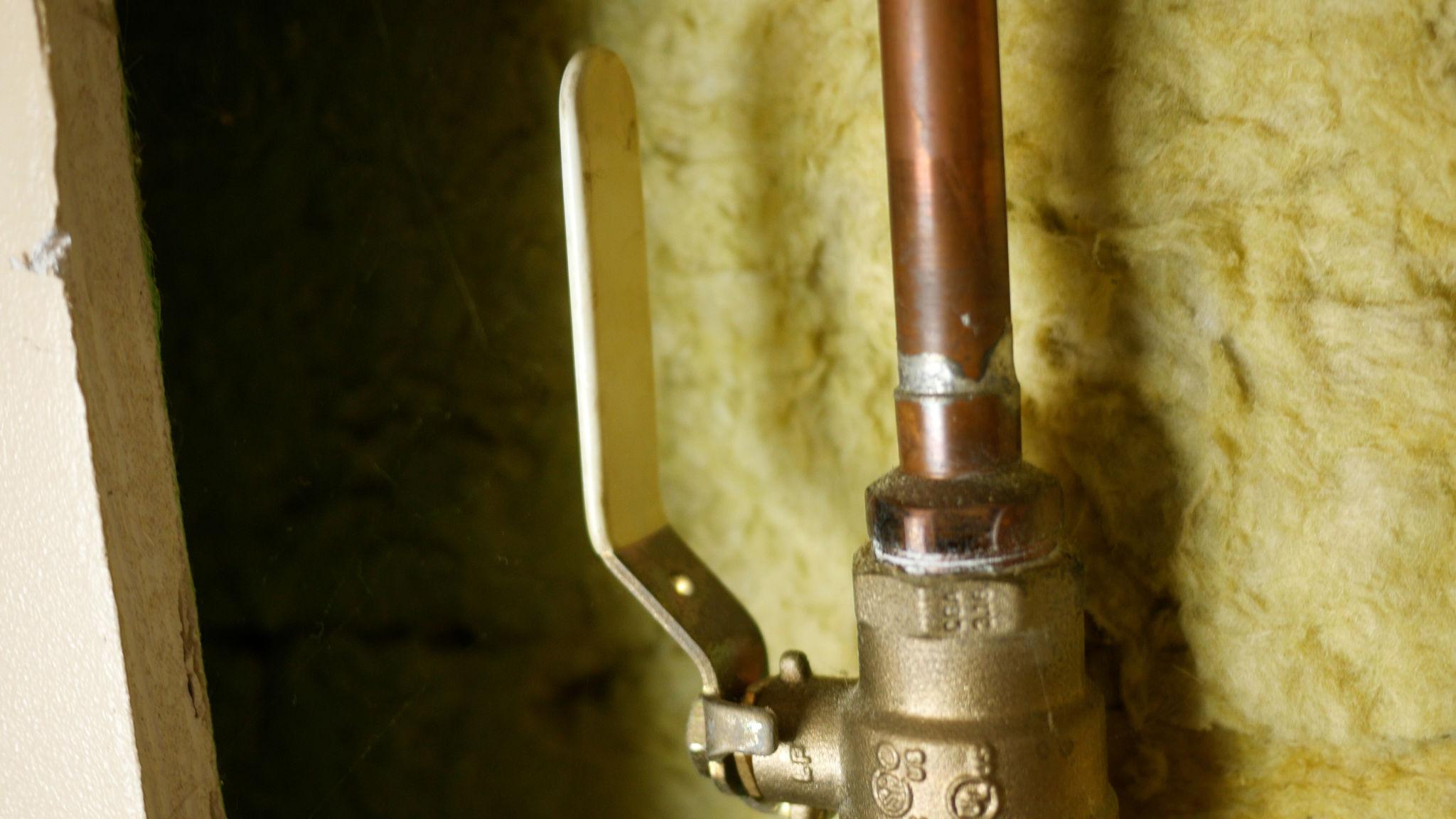
Every homeowner should know where the main water shut off valve is located and how to access it.
If a pipe freezes and bursts, quickly shutting off the home’s water supply can dramatically reduce the amount of water damage.
Make sure the valve is accessible and that the adults in your household know where it is located.
7. Think About Any Plumbing Added During the Summer
Did you complete a project this summer that involved water?
Maybe you added:
- An outdoor sink
- A new hose connection
- Irrigation
- Plumbing to a shop or garage
- An outdoor kitchen
- Another exterior water line
Make sure those additions were designed with winter in mind.
Outdoor plumbing that worked perfectly throughout the summer may need to be drained, shut off, insulated, or otherwise protected before freezing temperatures arrive.
If you are unsure how a new plumbing addition should be winterized, now is the time to find out.
8. Don’t Forget Roof and Exterior Drainage
Fall leaves and debris can block roof drains, gutters, and drainage areas around your home.
Water needs somewhere to go as rain, snow, and ice accumulate. Keeping drainage areas clear can help prevent standing water, ice buildup, and water from ending up where it does not belong.
A quick visual inspection before winter is well worth the time.
9. Give Your Indoor Plumbing One More Look
Winterization is not only about outdoor plumbing.
Walk through your home and look for:
- Small leaks under sinks
- Dripping faucets
- Running toilets
- Moisture around your water heater
- Exposed pipes in colder areas
- Plumbing located near exterior walls
A small problem in October can become a much bigger problem when temperatures drop.
Don’t Wait Until the First Hard Freeze
The best time to protect your plumbing from freezing temperatures is before the cold weather arrives.
Taking a little time in October to disconnect hoses, prepare sprinkler systems, inspect exposed plumbing, and locate your main water shut off can help prevent costly repairs and water damage later this winter.
Most importantly, do not guess if you are unsure whether part of your plumbing system is properly protected.
B&G Plumbing and Heating has been helping homeowners in Pocatello and surrounding communities through Idaho winters for decades. We understand the challenges cold weather creates for local plumbing systems and can help you determine what needs attention before temperatures drop.
Have a Winter Plumbing Question?
If you are unsure about an outdoor faucet, exposed water line, heat tape, water heater, boiler system, or another part of your plumbing, give B&G Plumbing and Heating a call.
Our team is happy to answer your questions, help identify potential problems, and make sure your plumbing system is prepared for the cold weather ahead.
 Skip to content